
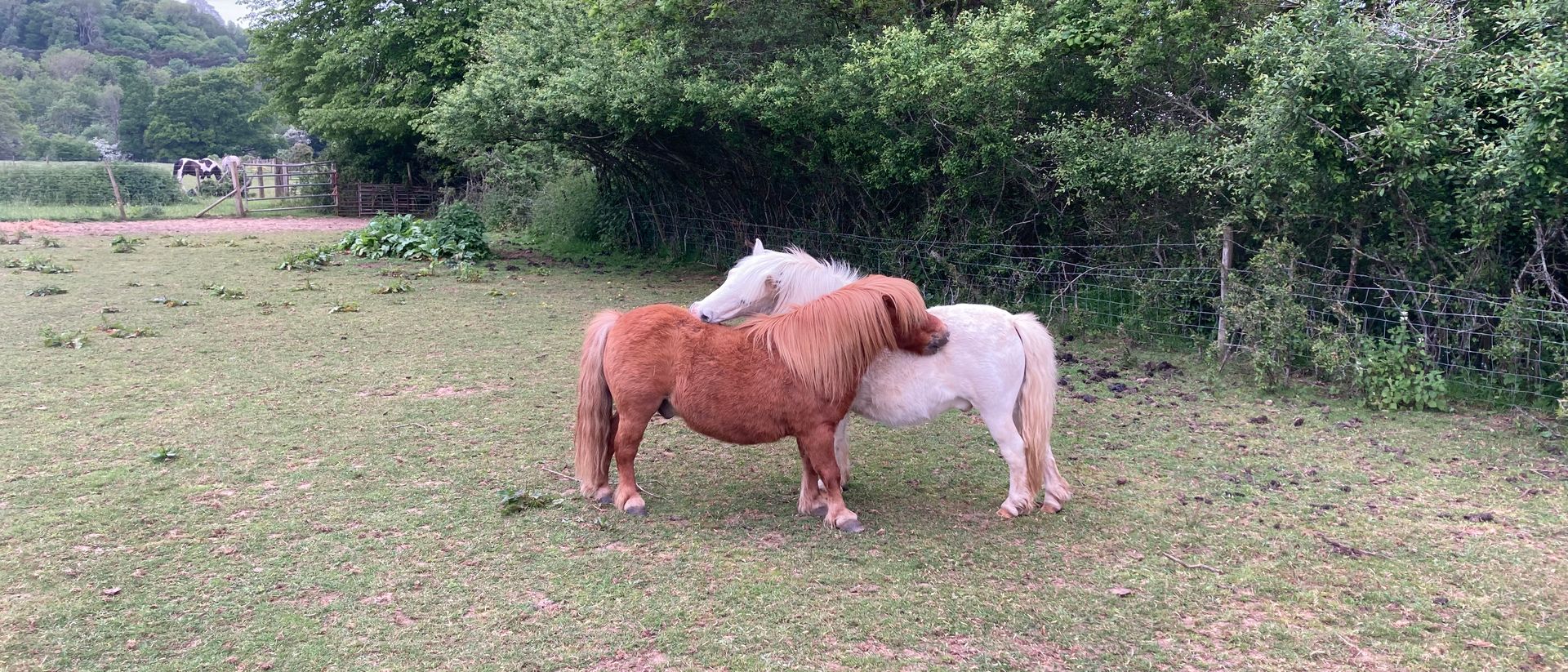
The Elysian Approach
Education and therapy built around the young person, using animals, the outdoors and relationship as the main tools.
At Elysian, education and therapy are built around your child, not the other way round. We use animals, the outdoors and real relationships to help children and young people feel safe, be understood, and find things they're good at. There's no fixed timetable everyone has to fit: what happens on a given day depends on what that young person needs that day.
If you're a professional looking for the model behind this, the detail follows below.
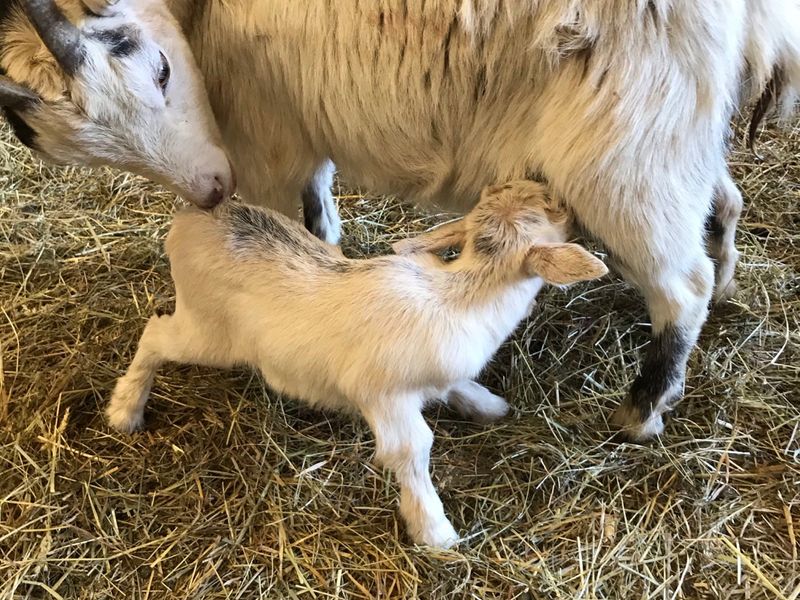
Relationships come first
Every relationship at Elysian is built on PACE: playfulness, acceptance, curiosity and empathy. That means listening to a young person's own voice rather than deciding for them, and holding especially close attention for anyone who is vulnerable. Self-esteem grows out of being genuinely known, not out of being told to feel better about themselves.
Show the principles behind thisHide the principles behind this
- Relational and PACE-oriented
- Listening and valuing voices
- Support for the vulnerable
- Building self-esteem
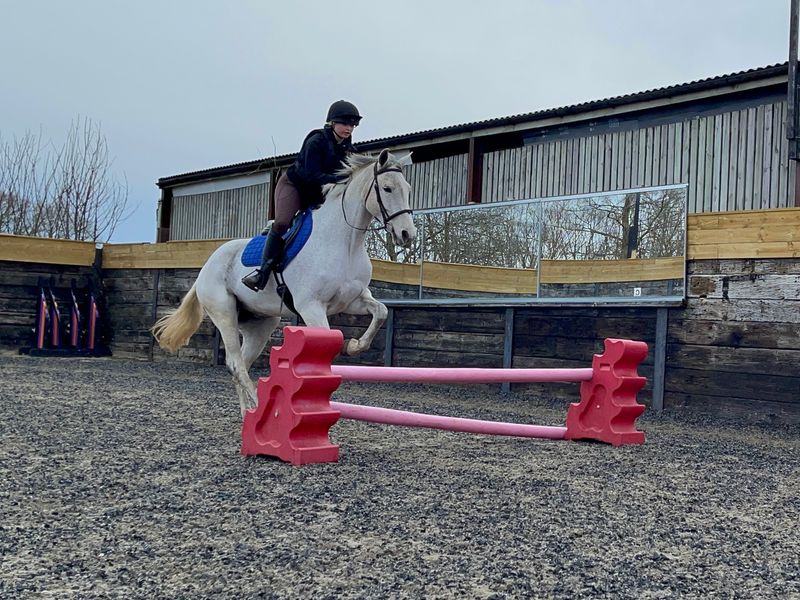
Led by the young person
No two plans look the same, because no two young people are the same. Work is individualised and client-led, aspirational about what someone can go on to do, neurodiversity-affirming by default, and built to include rather than to ask a young person to mask or conform. Play is treated as a legitimate part of the work, not a distraction from it.
Show the principles behind thisHide the principles behind this
- Individualised and client-led
- Aspirational and hopeful
- Neurodiversity-affirming
- Inclusive and playful
No two plans look the same, because no two young people are the same.
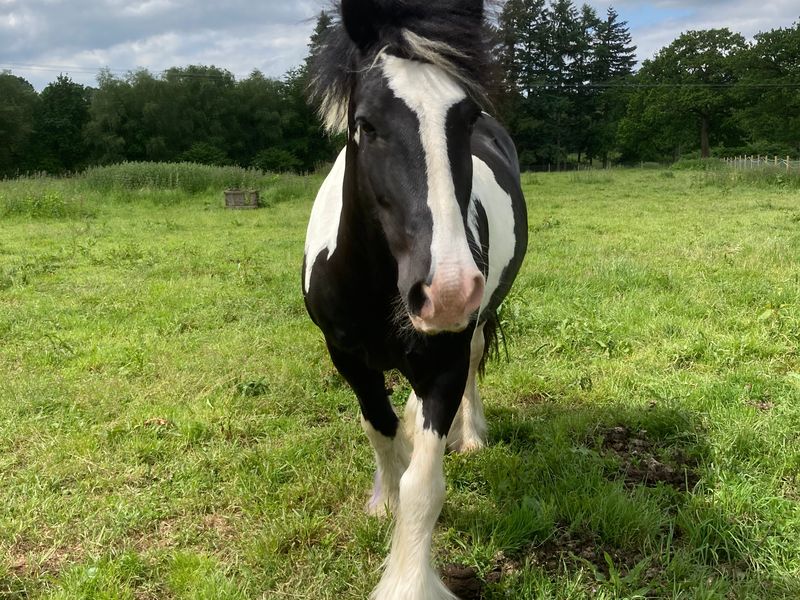
Animals and the outdoors
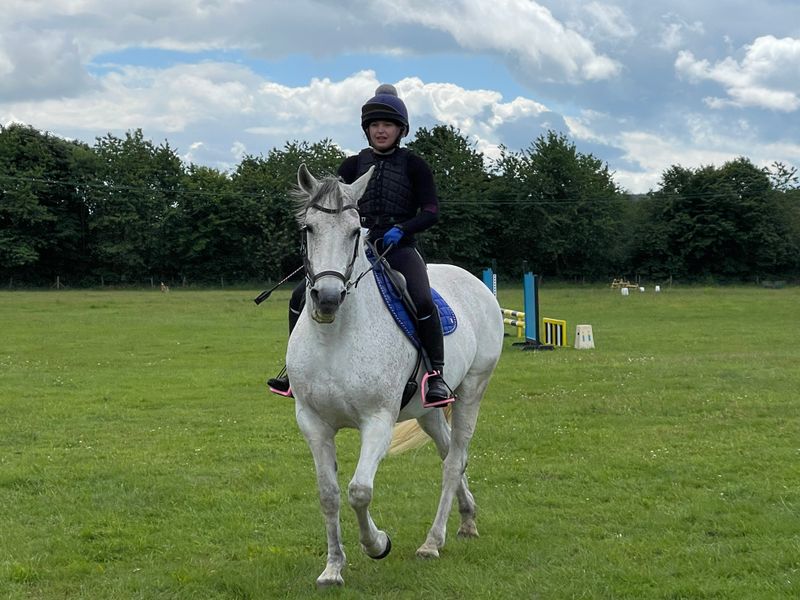
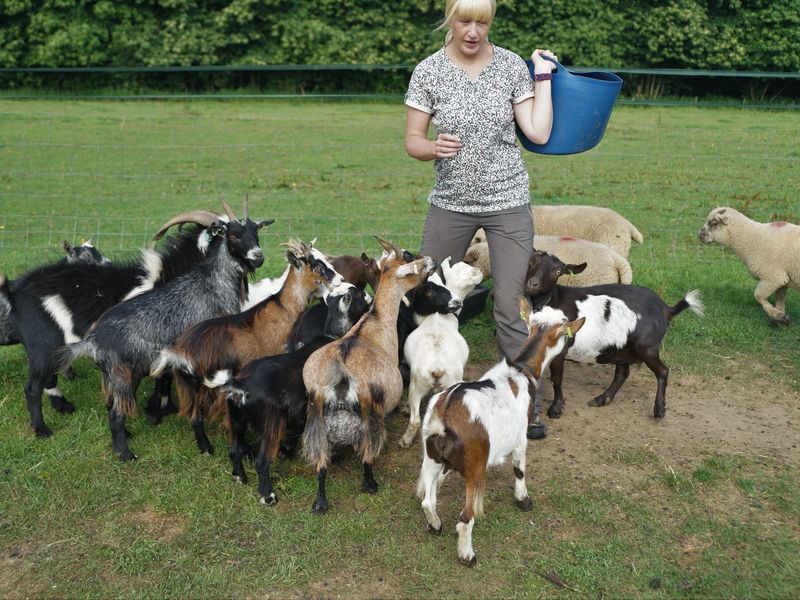
Animals and the outdoors are not an add-on to a fixed curriculum, they are the method. Learning happens through animal-assisted work, with nature itself treated as a classroom, and sensory experience, the weight of a rein, the texture of hay, used deliberately rather than incidentally.
Show the principles behind thisHide the principles behind this
- Animal-assisted learning
- Nature as a classroom
- Sensory awareness
Learning by doing
Progress comes from doing, not from being told. Sessions are built around meaningful occupation, and positive risk-taking, letting a young person try, struggle and sometimes fail safely, is treated as necessary to growth. Practice stays creative and adaptive rather than following a fixed script.
Show the principles behind thisHide the principles behind this
- Meaningful occupation
- Positive risk-taking
- Creative and adaptive
Positive risk-taking is treated as necessary to growth, not something to be engineered out.
Reflective, evidence-based practice
The approach is patient and process-oriented rather than looking for quick results, and responsive: practice is reviewed and adjusted against what is actually happening, not against what was planned. It is evidence-based, and connected outward, Elysian in the community, not a service delivered behind a fence.
Show the principles behind thisHide the principles behind this
- Persistence and process-oriented
- Responsive and reflective
- Evidence-based
- Elysian in the community
Elysian in the community, not a service delivered behind a fence.
A day at Elysian
What a typical day actually looks like, from arrival to going home.
Arrival
Arriving and settling in for the day
Animals
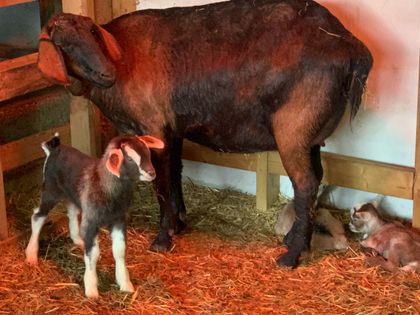
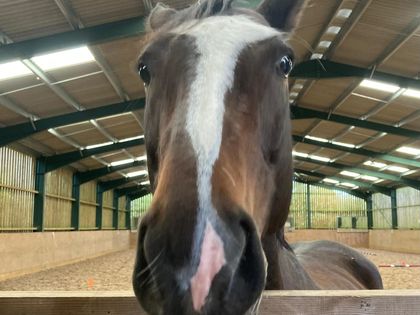
Time with the animals
Learning
Learning, at each young person's own pace
Lunch
Lunch, outdoors when the weather allows
Going home
The day winds down, and everyone goes home